

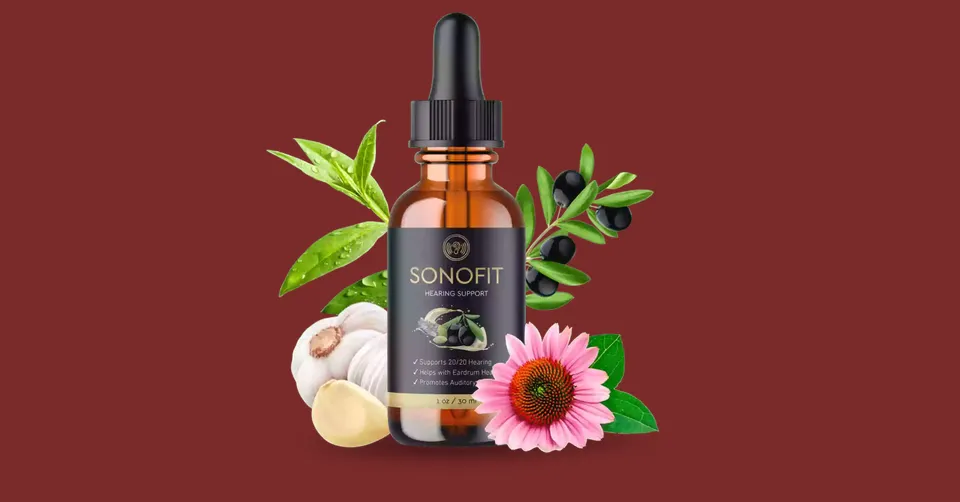
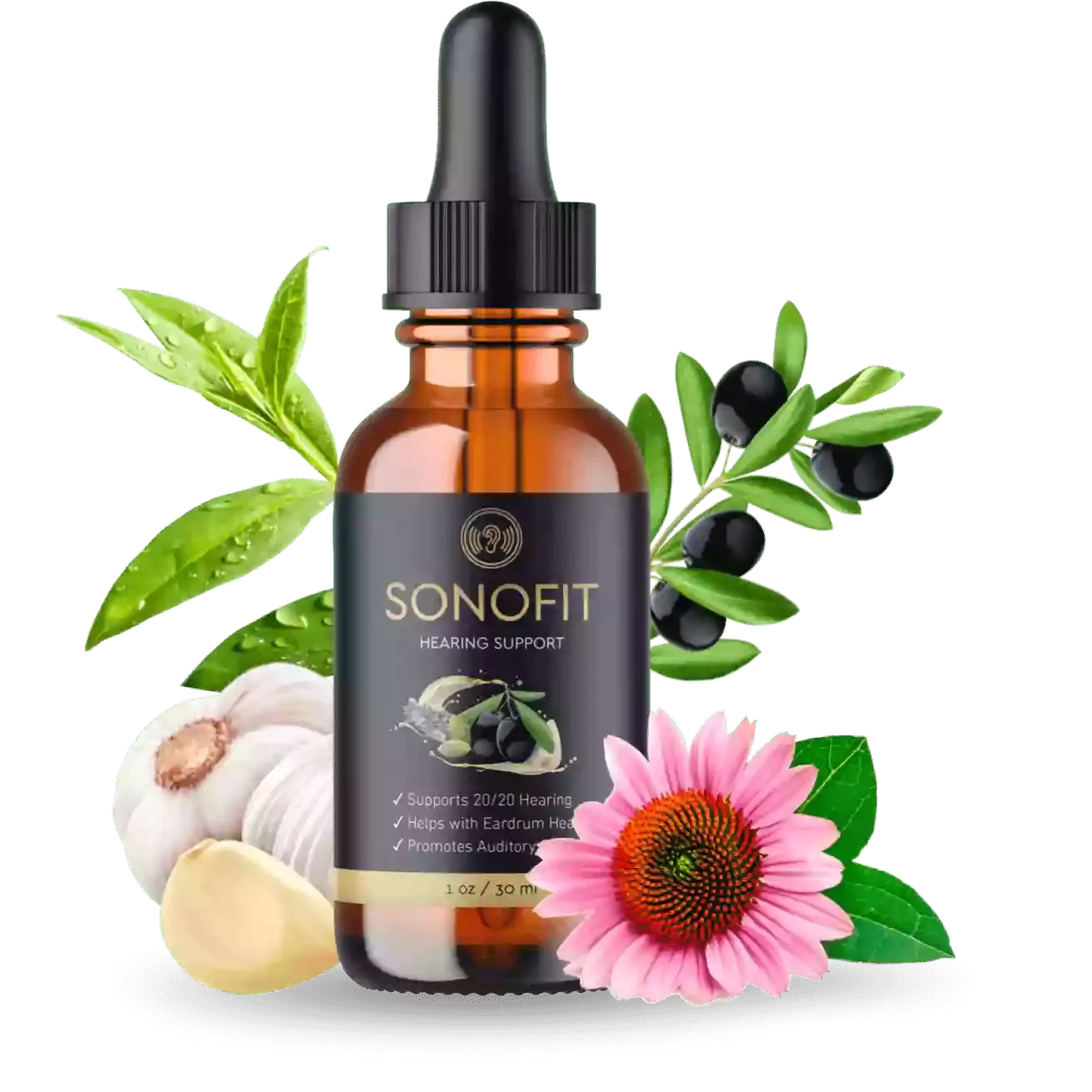

Most hearing supplements ask you to swallow capsules and hope the nutrients somehow find their way to your ears. SonoFit takes a completely different route. It is a liquid serum, an oil-based ear drop formula that you apply directly into the ear, designed to support healthy hearing by nourishing the eardrum and ear canal with a blend of eight natural oils and plant extracts. The maker’s core idea is simple: if the problem is in the ear, treat the ear directly.
But does an ear oil really make a meaningful difference to hearing clarity, earwax buildup, or ear comfort, or is this just another well-marketed wellness product? In this SonoFit review, we break down the full ingredient list, the mechanism the manufacturer claims, pricing and the money-back guarantee, and the honest state of the evidence, so you can decide whether this unusual formula deserves a place in your routine. We also flag exactly what is known, what is unverified, and who should steer clear.
What Is SonoFit?
SonoFit is a topical ear health formula sold as a liquid serum in a 30 ml dropper bottle, positioned by its maker as a natural way to support hearing. Instead of capsules, powders, or gummies, you squeeze drops of oil directly into the affected ear. The formula contains a proprietary blend of eight ingredients: mullein, garlic oil, olive oil, lavender oil, tea tree oil, echinacea, pumpkin seed oil, and DL-alpha tocopherol (a form of vitamin E). The marketing centers on the concept of the “inner ear bandage,” the idea that these oils coat, hydrate, and nourish the eardrum and ear canal.
Each bottle is described as a 30-day supply. The suggested use is three drops per ear, once or twice daily, with the head tilted so the drops stay in the ear canal for several minutes. The maker states the formula is non-GMO, stimulant-free, and made in the USA in a facility that is GMP-certified and registered with the FDA (note: that describes the facility, not an approval of the product itself; dietary and topical supplements are not FDA-approved the way drugs are). SonoFit is sold only through the official website, not in stores or on major retail platforms, a point we will come back to in the buying section.
How Does SonoFit Work?
According to the manufacturer, SonoFit works through a direct, topical approach rather than a systemic one. The claimed mechanism has several parts. First, the oil blend is said to act like a protective coating for the eardrum, keeping it hydrated and flexible. The maker argues that eardrums can stiffen with age, dryness, and exposure to toxins, and that a flexible eardrum vibrates more freely, which is central to how sound reaches the inner ear.
Second, the formula targets earwax. Excess earwax is one of the most common and most fixable causes of muffled hearing, itching, and ear discomfort, and the warm oils are said to help soften and loosen wax so it clears more easily from the outer ear. Third, several ingredients (garlic oil, tea tree oil, echinacea) are included for their traditional antimicrobial and antioxidant roles, positioned to support the ear’s defenses against environmental stress and so-called ototoxins, a term the marketing uses for substances said to stress hearing structures. Fourth, lavender oil and mullein are included for calming and soothing effects on irritated ear tissue.
The honest framing matters here. These are the manufacturer’s claimed mechanisms, drawn from its own marketing materials and affiliate write-ups. SonoFit itself has not been tested in published clinical trials, so there is no direct proof that the finished formula improves hearing. The reasoning is plausible for ear comfort, earwax softening, and moisturizing dry ear canals, because warm oils have been used for those purposes for a very long time. But plausibility is not proof, and any claim about restoring hearing should be treated with caution, especially for hearing loss caused by inner-ear or nerve damage, which no topical oil is known to reverse.
SonoFit Ingredients
The maker discloses all eight ingredients upfront, which is a positive: there are no hidden proprietary sub-blends hiding dosages from the label summaries published online. The table below summarizes the lineup as listed by the manufacturer, followed by a closer look at each ingredient.
| Ingredient | What It Is | Why It Is Included |
|---|---|---|
| Olive Oil | Cold-pressed plant oil | Carrier oil; traditionally used to soften earwax and moisturize the ear canal |
| Lavender Oil | Essential oil from lavender flowers | Calming and soothing properties for irritated ear tissue |
| Mullein Leaf | Herbal extract from the mullein plant | Traditional ear remedy; positioned to soothe irritation and support earwax clearance |
| Tea Tree Essential Oil | Essential oil from the tea tree plant | Positioned for its cleansing and antimicrobial qualities |
| Echinacea Root Extract | Herbal extract from the echinacea plant | Antioxidant support; positioned to support the body’s defenses |
| Pumpkin Seed Oil | Oil pressed from pumpkin seeds | Nourishing oil rich in fatty acids; positioned for ear tissue support |
| DL-Alpha Tocopherol | A form of vitamin E | Antioxidant; positioned to hydrate the eardrum and protect against oxidative stress |
| Garlic Oil | Oil infused with garlic compounds | Positioned to support the flushing of ototoxins and ear comfort |
Olive Oil
Olive oil is the backbone of the formula and the primary carrier oil. Its inclusion is the least controversial part of the product: cerumen (earwax) softening with plant oils is a long-standing home practice, and clinicians themselves sometimes suggest olive oil drops to soften impacted wax before professional removal. It also moisturizes dry, flaky skin in the ear canal. On its own, olive oil will not improve nerve-related hearing loss, but for wax-related muffling and dryness, it is a reasonable, low-risk ingredient.
Lavender Oil
Lavender essential oil is included for its calming and soothing reputation. In aromatherapy it is widely used for relaxation, and in this formula it is positioned to ease irritation and discomfort in the ear area. A caution is warranted: essential oils are concentrated, and the ear canal is sensitive skin, so anyone with a history of contact sensitivity should patch-test first (more on safety below).
Mullein Leaf
Mullein has a long folk history as an ear remedy; mullein flower oil has been used traditionally for earaches and ear discomfort. Modern evidence for mullein in ear care is limited and largely traditional rather than clinical, but its soothing reputation is why it appears in many natural ear oil blends. In SonoFit it is positioned to calm irritation and assist with earwax clearance.
Tea Tree Essential Oil
Tea tree oil is well known for its antimicrobial properties in skin care and is a common ingredient in products aimed at keeping skin clean. Here it is positioned as a cleansing agent for the ear canal. The same caution applies as with lavender: tea tree oil is potent, and people with sensitive skin or a damaged eardrum should be careful and ideally consult a clinician before putting any oil in the ear.
Echinacea Root Extract
Echinacea is best known as an immune-support herb taken orally during cold season. In this topical formula it is included for its antioxidant content and its traditional role in supporting the body’s defenses. There is no direct evidence that echinacea applied in the ear improves hearing; its inclusion is best understood as general antioxidant and herbal support within the blend.
Pumpkin Seed Oil
Pumpkin seed oil is rich in fatty acids and plant sterols and is commonly used in skin and hair care for its nourishing feel. In SonoFit it functions as a second nourishing oil alongside olive oil, positioned to support the condition of ear tissue. Like the other oils, it contributes to the moisturizing and coating action of the formula rather than any proven hearing-restoration effect.
DL-Alpha Tocopherol (Vitamin E)
DL-alpha tocopherol is a synthetic form of vitamin E used widely in skin care for its antioxidant and moisturizing properties. In this formula it is positioned to hydrate the eardrum and defend ear tissue against oxidative stress. Vitamin E oil is a standard ingredient in topical products aimed at dry or stressed skin, so its presence here is consistent with the product’s moisturizing goal.
Garlic Oil
Garlic oil rounds out the blend, included for garlic’s traditional antimicrobial reputation and positioned by the maker to help the body flush out ototoxins. Garlic contains sulfur compounds such as allicin that have shown antimicrobial activity in laboratory ettings. As with the other botanicals, traditional use and lab findings are not the same as proof that garlic oil drops improve human hearing, but the ingredient is consistent with the formula’s ear-comfort positioning.
What Does the Science Say?
Here is the honest summary. There are no published clinical trials on SonoFit itself, and the manufacturer does not claim otherwise. That means every benefit attributed to the product is extrapolated from three things: the traditional uses of its individual ingredients, general knowledge about earwax and ear-canal skin, and customer anecdotes published on the official website.
What is reasonably well supported: softening earwax with plant oils is a recognized approach, and impacted or excessive earwax genuinely is one of the most common reversible causes of muffled hearing. Moisturizing a dry, itchy ear canal with oils is also standard practice. If SonoFit helps anyone, the most likely mechanism is this mundane one: softer wax, a more comfortable canal, and a better-hydrated eardrum, which together can make hearing feel clearer.
What is not supported: the idea that any oil dropped in the ear can reverse sensorineural hearing loss (damage to the inner ear or auditory nerve), repair a perforated eardrum, or cure tinnitus. Tinnitus, in particular, is widely understood to involve the brain’s auditory processing, not just the ear canal, and no topical product has been shown to resolve it. Be skeptical of any marketing language suggesting dramatic hearing restoration, and see a hearing professional if you have significant or sudden hearing loss rather than relying on a supplement.
Potential Benefits of SonoFit
Framed as intended uses rather than promises, here is what SonoFit is positioned to help with:
- Softening and loosening excess earwax, which may reduce wax-related muffled hearing
- Moisturizing dry, itchy, or flaky skin in the ear canal
- Hydrating the eardrum area as part of general ear comfort
- Soothing minor ear irritation with traditional botanicals like mullein and lavender
- Supporting the ear’s general defenses with antioxidant ingredients such as vitamin E and echinacea
- Offering a drug-free, non-invasive daily ear-care routine
- Providing a topical alternative for people who prefer not to swallow hearing capsules
None of these are guaranteed outcomes. Results will depend on the actual cause of a person’s ear or hearing issue: wax-related problems respond far better to an oil-based approach than nerve-related hearing loss does.
Pros and Cons
| Pros | Cons |
|---|---|
| Fully disclosed 8-ingredient formula with no hidden blends | No published clinical trials on the finished product |
| Topical approach is direct for earwax and canal dryness | Cannot address inner-ear or nerve-related hearing loss |
| Natural, non-GMO, stimulant-free ingredient list | Essential oils may irritate sensitive skin; patch test advised |
| Easy to use: a few drops per ear, no pills to swallow | Only sold on the official website; no retail availability |
| 60-day money-back guarantee lowers the trial risk | Premium price at $69 for a single bottle |
| Maker claims GMP-certified, FDA-registered US manufacturing | Official-site testimonials are marketing, not verified evidence |
SonoFit Customer Reviews: What Are Real Users Saying?
This section requires care, because the review landscape for SonoFit is almost entirely manufacturer-controlled. The official website presents a large volume of positive customer stories and claims a high average rating across thousands of reviews. Those testimonials describe sharper hearing, less ear discomfort, and relief from vertigo-like symptoms. We are reporting that these claims exist on the official site; we are not endorsing them as verified, because on-site testimonials are curated marketing and cannot be independently checked.
What we did not find: verified reviews on independent platforms with identity-checked purchasers, published before-and-after hearing test data, or coverage in mainstream medical or consumer publications. Affiliate review sites (the ones that earn a commission when you buy) are overwhelmingly positive, which is expected given their business model, while a smaller number of critical write-ups question whether the product can deliver on its stronger hearing-restoration claims. We found no credible reports of serious harm, and the most common negative theme is simply that some users noticed little or no change.
Our honest read of the landscape: for people whose issue is earwax buildup or canal dryness, positive experiences are plausible and consistent with how oil-based ear care works. For people with significant hearing loss, the enthusiastic marketing claims should be treated as marketing, not evidence. If you try it, judge it by your own experience within the guarantee window rather than by anyone’s testimonial.
SonoFit Pricing
SonoFit is sold in three package options on the official website. Prices below are the currently advertised prices; always verify at checkout, as promotions change.
| Package | Supply | Price | Per Bottle |
|---|---|---|---|
| 1 Bottle | 30 days | $69 | $69 |
| 3 Bottles | 90 days | $177 | $59 |
| 6 Bottles | 180 days | $294 | $49 |
All orders are advertised with free shipping. The 3-bottle and 6-bottle packages also include two free digital bonus guides: “Nature’s Hearing Aids,” covering herbs and home practices related to ear care, and “The Native American Hearing Handbook,” covering traditional detox and wellness rituals. These are informational eBooks, not medical guidance, and their value depends on your interest in that kind of content.
Is it good value? At $69 for a single 30 ml bottle, SonoFit is priced at a premium compared with plain ear oils. The multi-bottle tiers bring the per-bottle cost down to $49, which is the sensible choice only if you plan to use it daily for several months, which is also the usage window the manufacturer recommends for judging results. Single-bottle buyers pay the highest unit price, so the 60-day guarantee matters most for them.
Money-Back Guarantee
SonoFit comes with a 60-day money-back guarantee. According to the manufacturer, if you are not satisfied for any reason, you can request a refund within 60 days of purchase, and empty bottles are accepted for return. The company describes it as a no-questions-asked policy.
As always, read the actual refund terms on the official site before ordering: confirm where to send returns, who pays return shipping, and how the refund is processed. Guarantee terms are set by the seller and can change, so treat the summary here as a starting point and verify the current policy at checkout.
How to Buy SonoFit
SonoFit is sold exclusively through the official website. It is not available in pharmacies or retail stores, and the manufacturer warns against buying from third-party marketplaces, where counterfeit or expired bottles are a real risk with popular supplements. Buying direct is also the only way to be covered by the 60-day guarantee and to receive the bonus eBooks with multi-bottle orders.
The ordering process is a standard online checkout: choose a package, enter shipping and payment details, and the order ships with free shipping. We found no evidence of a forced subscription or autoship program tied to SonoFit orders, but as with any supplement checkout, read each screen carefully and confirm you are placing a one-time order before submitting payment. Keep your order confirmation email until the guarantee window closes.
Safety and Side Effects
SonoFit’s ingredients are natural oils and herbal extracts, and no serious side effects are widely reported. That said, “natural” does not mean risk-free, especially in the ear. The most relevant precautions:
- Do not put any oil or drops in your ear if you have a perforated (ruptured) eardrum, ear tubes, active ear infection with discharge, or recent ear surgery, unless a clinician specifically approves it. Trapping moisture behind a damaged eardrum can cause problems.
- Essential oils (lavender, tea tree) can irritate sensitive skin. Consider a small patch test on the skin near the ear first, and stop use if you develop itching, redness, swelling, or increased discomfort.
- People with known allergies to any of the eight ingredients should not use the product.
- If you use hearing aids, ask your audiologist about timing: oils and hearing aids do not mix well, and residue can damage the devices.
- Sudden hearing loss, severe ear pain, dizziness, or discharge are medical issues. See a doctor or audiologist promptly rather than self-treating with drops.
- As with any supplement, people who are pregnant, nursing, or managing a medical condition should check with a healthcare professional first.
These statements have not been evaluated by the Food and Drug Administration. This product is not intended to diagnose, treat, cure, or prevent any disease.
Who Is SonoFit Best For?
SonoFit makes the most sense for adults who want a natural, topical addition to their ear-care routine: people bothered by excess earwax, dry or itchy ear canals, or a general desire to keep the outer ear moisturized and comfortable. It also suits anyone who prefers drops over swallowing daily capsules.
It is not the right choice for people with diagnosed sensorineural hearing loss, a perforated eardrum, chronic ear infections, or sudden changes in hearing. Those situations need professional evaluation, and no ear oil should delay it. It is also worth skipping if you are sensitive to essential oils or simply want an evidence-backed treatment, since the clinical evidence here is limited to ingredient-level tradition and plausibility rather than product-level trials.
SonoFit vs. Other Ear Health Supplements
Most ear and hearing supplements on the market are capsules (examples often mentioned alongside SonoFit include Quietum Plus and similar formulas). Here is how the approaches compare:
| Feature | SonoFit (ear drops) | Typical hearing capsules |
|---|---|---|
| Delivery | Topical oil applied directly in the ear | Oral capsules absorbed systemically |
| Best-suited issue | Earwax, canal dryness, outer-ear comfort | General nutritional support for hearing |
| Ingredient count | 8 oils and extracts, fully disclosed | Varies; often 10 to 20+ ingredients |
| Ease of use | A few drops per ear; no pills | Daily capsules with water |
| Clinical trials on product | None published | Usually none published either |
| Price (single unit) | $69 per bottle | Often $49 to $69 per bottle |
| Guarantee | 60 days | Often 60 days as well |
The honest takeaway: neither category has strong product-level clinical evidence, so the choice comes down to the problem you are trying to solve. For wax and dryness, a topical oil is the more direct tool. For inner-ear or nerve-related concerns, neither is a substitute for professional care.
Frequently Asked Questions
How do you use SonoFit?
According to the manufacturer, tilt your head to one side, squeeze three drops into the ear, and hold the position for several minutes so the oil stays in the ear canal. Use once or twice daily. Do not use it if you have a perforated eardrum or an active ear infection unless a clinician advises otherwise.
How long does one bottle last?
One 30 ml bottle is described as a 30-day supply at the suggested daily use. The manufacturer suggests using it consistently for two to three months to judge results, which is why the multi-bottle packages exist.
Can SonoFit cure tinnitus or hearing loss?
No credible evidence supports the idea that any ear drop cures tinnitus or reverses sensorineural hearing loss. SonoFit is positioned for ear comfort, earwax management, and general ear health, not as a treatment for diagnosed hearing conditions. Anyone with significant or sudden hearing changes should see a hearing professional.
Are there any side effects?
No serious side effects are widely reported, but mild irritation is possible, particularly for people sensitive to essential oils. Stop use and consult a clinician if you notice itching, redness, swelling, pain, or worsening hearing. Never use ear drops with a perforated eardrum or draining ear without medical advice.
Where can I buy SonoFit?
Only through the official website, according to the manufacturer. It is not sold in retail stores, and buying from third-party sellers risks counterfeit products and forfeits the money-back guarantee.
What is the money-back guarantee?
The manufacturer offers a 60-day money-back guarantee, described as no-questions-asked, with empty bottles accepted. Verify the current return instructions on the official site before ordering, since terms can change.
Is SonoFit safe for children or during pregnancy?
The manufacturer does not position it specifically for children, and as with any supplement, pregnant or nursing women and anyone managing a medical condition should consult a healthcare professional before use.
Final Verdict: Should You Buy SonoFit?
SonoFit is an unusual product in a crowded category, and its unusualness is both its strength and its limit. The topical approach is genuinely well matched to the problems it can plausibly help: softening earwax, moisturizing a dry ear canal, and keeping the outer ear comfortable with a fully disclosed blend of traditional oils and botanicals. For that purpose, it is a reasonable, low-risk option, especially with a 60-day money-back guarantee behind it.
What it is not: a proven treatment for hearing loss or tinnitus, and the marketing language around hearing restoration should be read with a skeptical eye. There are no clinical trials on the finished formula, the review landscape is manufacturer-dominated, and at $69 a bottle it is priced at a premium.
Scam verdict: SonoFit is not a scam. It is a real product with a disclosed ingredient list, a clear usage method, a plausible mechanism for ear comfort and wax management, and a stated refund policy. The concerns are about the strength of the marketing claims relative to the evidence, not about legitimacy. If your goal is everyday ear care and wax management and you go in with realistic expectations, it is a legitimate option to try within the guarantee window. If you have diagnosed hearing loss, skip the supplement aisle and book a hearing test first.
Editorial score: 4.2 out of 5 for ear comfort and wax care as intended; lower if judged as a hearing-loss treatment, which it is not proven to be. Buy only from the official website so the guarantee applies.